
How to Build a Design Portfolio That Impresses Employers
In the interior and furniture design industry, your portfolio is more important than your degree. Employers, design studios, and clients do not judge you by marks alone—they judge you by what you can design, how you think, and how clearly you present your ideas. A strong design portfolio is often the deciding factor in getting a job, internship, or freelance project.
This blog explains how to build a design portfolio that truly impresses employers, even if you are a student or beginner.
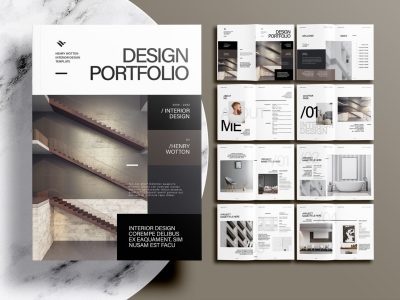
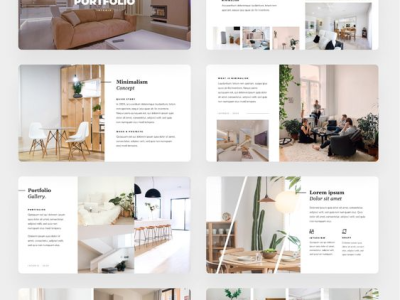

Why? a Design Portfolio Matters More Than a Resume
A resume tells employers where you studied.
A portfolio shows what you can actually do.
When an employer opens a portfolio, they look for:
Your design thinking
Practical skills
Understanding of space and furniture
Presentation quality
Attention to detail
A well-prepared portfolio answers this question instantly:
“Can this person handle real design work?”
Many students make the mistake of choosing an institute only based on advertisements. In reality, the best interior design institute in Jodhpur is defined by training quality, not marketing.
Step 1: Understand What Employers Look For
Before building your portfolio, you must think like an employer.
Most interior design employers want to see:
Space planning ability
Furniture layout understanding
Material awareness
Basic technical drawings
Clear presentation
❌ They are NOT looking for:
Only beautiful pictures from the internet
Copy-pasted designs
Too much theory
✅ They ARE looking for:
Your own work
Process and logic
Practical drawings
Realistic designs
Step 2: Choose the Right Projects (Quality Over Quantity)
You do not need 20 projects in your portfolio.
6–10 strong projects are enough if they are well presented.
Ideal Projects to Include
Residential interior project (1 BHK / 2 BHK / villa)
Living room or bedroom detailed design
Kitchen or wardrobe design
Furniture design project (bed, wardrobe, table, unit)
Space planning or layout exercise
Example
Instead of showing:
“Living Room Design – Beautiful Concept”
Show:
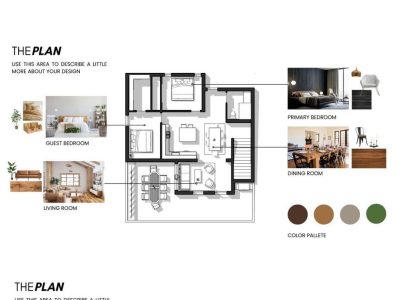
Existing layout
Proposed layout
Furniture placement
Final design concept
This shows thinking + execution, which employers value.
Step 3: Show Your Design Process (Very Important)
One of the biggest mistakes students make is showing only final designs.
Employers want to see how you reached the final design.
A Good Project Flow Should Include:
Project brief
Client requirement (imaginary or real)
Space analysis
Concept development
Layout planning
Furniture design
Final visuals
Example
For a bedroom project:
Who is the user? (working professional / family / student)
What is the size of the room?
Storage requirements
Design concept (modern / minimal / traditional)
This proves you can solve design problems, not just decorate spaces.
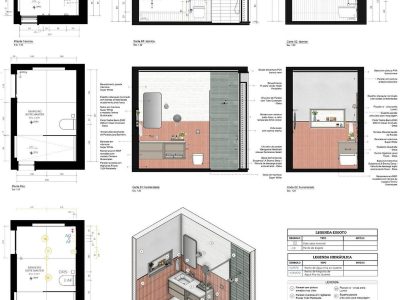
Step 4: Include Technical Drawings (Huge Advantage)
Many students avoid technical drawings, but employers love them.
Must-Have Drawings in Portfolio
Floor plans
Furniture layouts
Elevations
Sections (basic level)
Even simple AutoCAD drawings show that you understand:
Scale
Proportion
Execution logic
Example
For a wardrobe design, include:
Front elevation
Internal partition layout
Basic dimensions
This immediately separates you from beginners.
Step 5: Add Furniture Design Projects
Interior designers who understand furniture design are more valuable in the industry.
Include at least:
One custom furniture design
One storage unit (wardrobe / TV unit / kitchen cabinet)
Explain:
Purpose of furniture
Material selection
Functionality
Example
Instead of writing:
“Wardrobe Design”
Explain:
“3-door wardrobe designed for a compact bedroom with maximum storage and easy accessibility.”
This shows clarity and professionalism.
Step 6: Presentation Matters as Much as Design
Even good designs can look weak if presentation is poor.
Follow These Presentation Rules
Clean layout
Consistent font style
Proper alignment
Enough white space
Logical flow
Avoid:
Too many colors
Random font changes
Crowded pages
Your portfolio should look professional, calm, and confident.
Step 7: Digital vs Printed Portfolio (Use Both)
Digital Portfolio
PDF format
Easy to email or WhatsApp
Ideal for interviews and online applications
Printed Portfolio
A3 or A4 size
High-quality prints
Best for face-to-face interviews
If possible, prepare both versions.
Step 8: Write Clear Project Descriptions
Many students forget that employers may not understand your design unless you explain it.
Keep Descriptions Simple
3–5 lines per project
Clear and professional language
Focus on concept and functionality
Example Description
“This residential living room is designed for a family of four. The concept focuses on comfort, storage optimization, and warm color tones suitable for daily use.”
This makes your work easy to understand and memorable.
Step 9: Include Only Your Own Work
Never include:
Internet images
Copied designs
Projects you didn’t work on
Employers can easily identify copied content.
Honest, simple student work is always better than fake perfection.
Step 10: Update Your Portfolio Regularly
Your portfolio should grow as you grow.
Add better projects
Remove weak work
Improve presentation
Update drawings
A portfolio is a living document, not a one-time task.
Common Portfolio Mistakes to Avoid
❌ Too many projects
❌ No technical drawings
❌ Poor layout
❌ No explanation
❌ Copy-paste content
❌ No focus on furniture
Avoiding these mistakes already puts you ahead of many students.
Final Thoughts
A design portfolio is your professional identity.
It tells employers:
How you think
How you design
How seriously you take your career
You don’t need expensive software or perfect projects to impress employers.
You need clarity, honesty, practical thinking, and good presentation.
If you are a student or beginner, start building your portfolio from day one of your design journey. With the right guidance and continuous improvement, your portfolio can open doors to jobs, internships, and independent projects.

